

Houdini Sauvignon Blanc 2025: Cool Climate, Fresh Precision
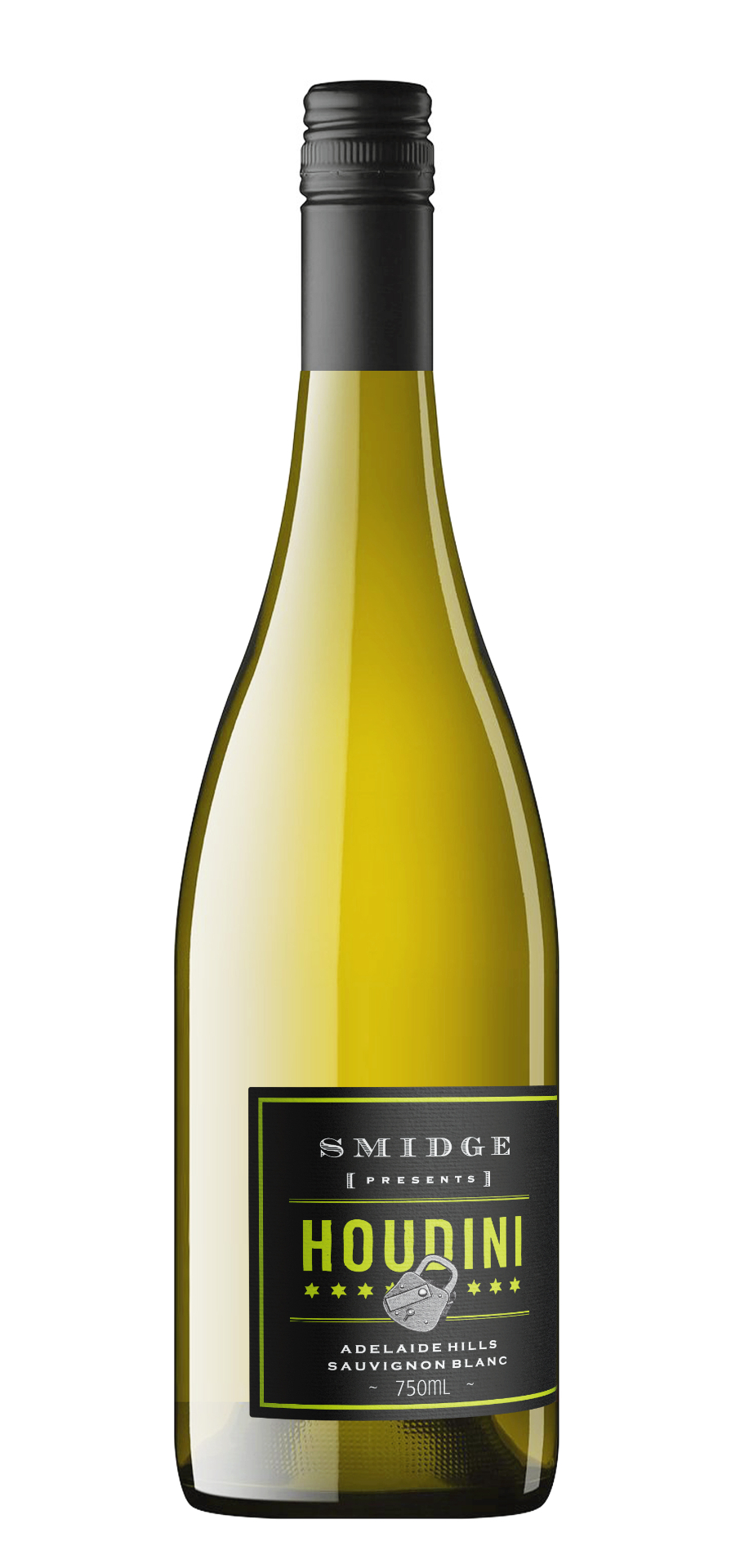
Houdini Sauvignon Blanc 2025 is the introduction to the Smidge portfolio. It is the first glass I pour when you walk into the cellar door and ask what to try first.
And the name? Houdini is my eldest daughter Eliza. She was walking early and running soon after. She was always disappearing, always one step ahead, so the nickname stuck.
Why Adelaide Hills for Sauvignon Blanc?
To make Sauvignon Blanc that actually sings, you need a very cool climate. Adelaide Hills gives us exactly that.
Our fruit comes from Oakbank, in the central part of the Hills. The region runs north to south, about 80 kilometres long and 15 to 20 kilometres wide. Oakbank brings cool nights and gentle daytime warmth, so the fruit keeps its freshness and natural acidity without getting broad.
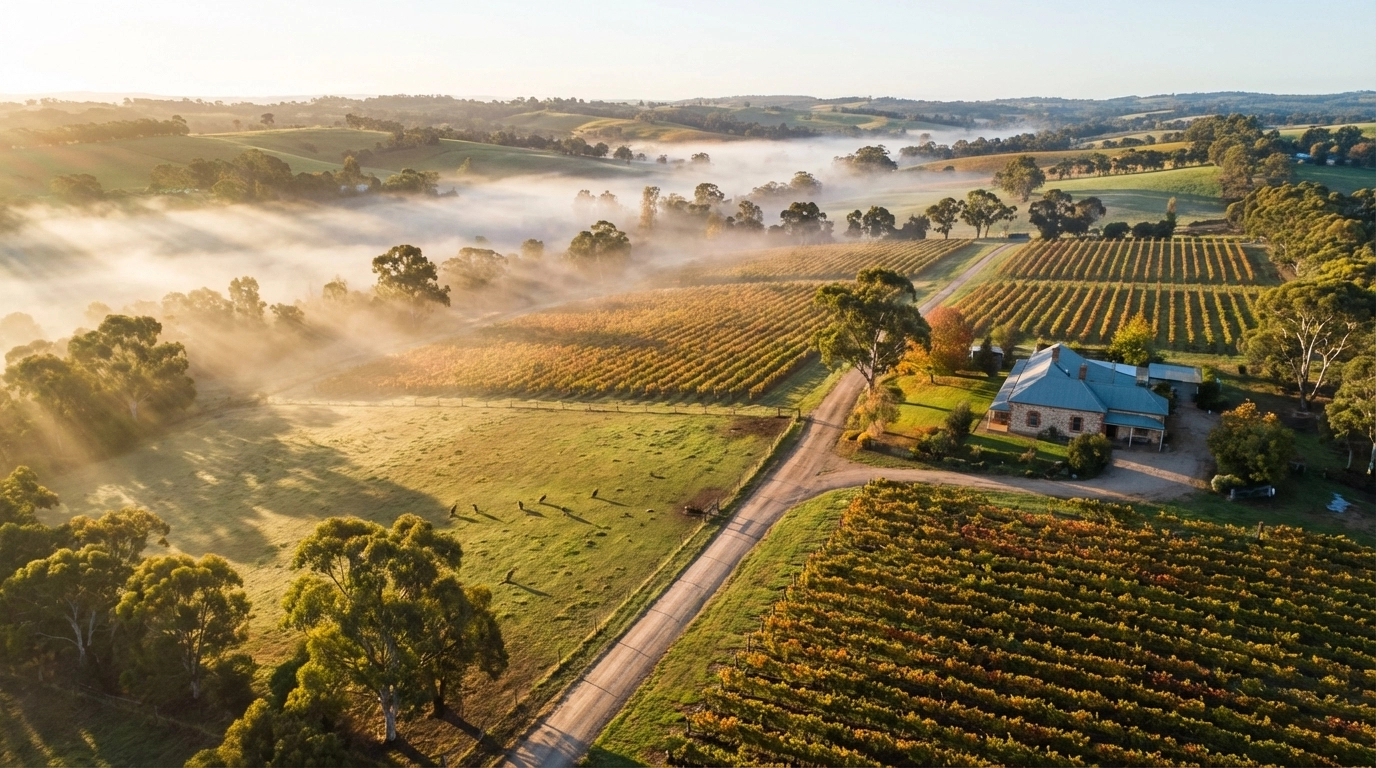
Altitude, slope and those afternoon breezes slow ripening and preserve line and length. It is exactly what you want for this variety.
How We Make It
Picked in the cool of the night, then pressed gently. I only take the free-run component, so we avoid heavy, bitter characters and keep the line clean.
Fermented in stainless steel to dryness. No oak to get in the way.
After fermentation the wine rests on its yeast lees for about four and a half months. I do not stir it. Slow autolysis adds subtle weight, length and dimension without turning creamy.
Up until 2015 I used to put 10 to 20 percent through barrel ferment to build texture. These days I rely on time on lees to do that job.
What You Will Find in the Glass
Pale straw with a green hue at the rim.
On the nose there is a lovely lift with that classic methoxypyrazine character. It shows more fresh peas and snow peas than cut grass or green capsicum. You will also find bath salts and talc notes alongside citrus.
On the palate it is fresh and bright with lovely acidity. Herbaceous snow pea and a touch of cut grass sit with citrus flavours. The time on lees brings subtle weight and length without creaminess. Acid and flavour carry through together and the finish is very refreshing.
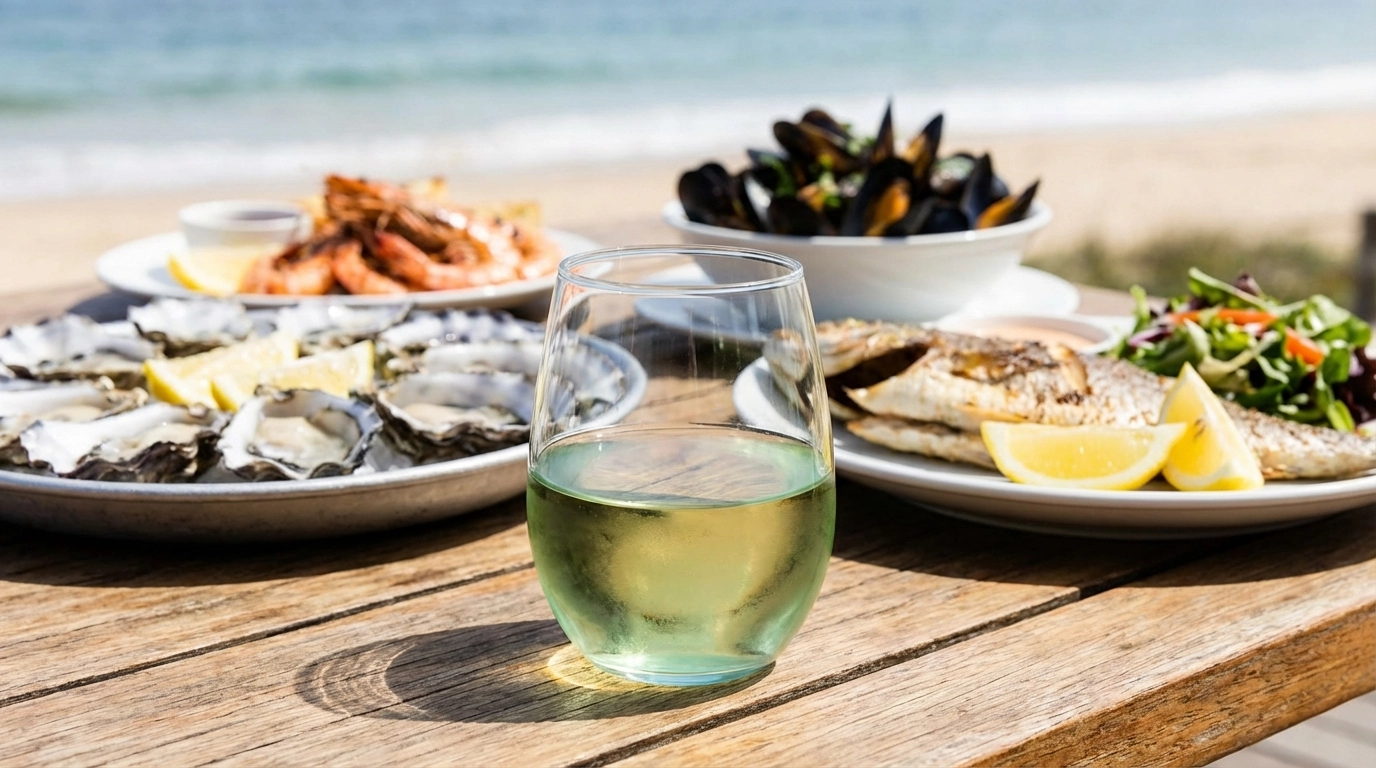
Built for the lunch table through the warmer months.
Why "Houdini"?
Houdini is named after my eldest daughter Eliza. She was walking at about eight to nine months and running soon after. She was always disappearing and one step ahead, so the nickname stuck.
The Entry Point to Smidge
I always say that Houdini is the front door to the Smidge portfolio. If you are new to our wines, this is a great place to start. It shows you what we care about: cool-climate fruit, minimal intervention, and wines that actually taste like where they come from.
From here, you can explore the rest of the range. Maybe you move into the Houdini Sangiovese Rosé if you want to stay in the lighter, fresher space. Or perhaps you jump across to something bigger like the Adamo Barossa Shiraz if you want to see what we do with warmer climate fruit.
But it all starts here. With a glass of Houdini Sauvignon Blanc and a conversation about what makes Adelaide Hills such a special place to grow grapes.
Quick Reference: Houdini Sauvignon Blanc 2025
Region: Adelaide Hills (Oakbank, central Hills; very cool climate)
Variety: Sauvignon Blanc
Winemaking: Picked in the cool of the night; gentle pressing; free-run only; fermented in stainless steel to dryness; 4.5 months on yeast lees with no stirring; previously 10-20% barrel ferment until 2015, now texture comes from lees
Colour: Pale straw with green hue
Nose: Lovely lift with methoxypyrazine character; more fresh peas and snow peas than cut grass/green capsicum; bath salts and talc; citrus
Palate: Fresh with lovely acidity; herbaceous snow pea and a touch of cut grass with citrus; subtle lees weight adds length and dimension without creaminess; acid and flavour carry through together; very refreshing
Drink with: Lunch through the warmer months, especially seafood and salads
Ready to Try It?
If you are in NSW or QLD and want to get your hands on a bottle (or a few), we ship direct to your door.
Shop Houdini Sauvignon Blanc 2025
Curious why cool-climate Sauvignon Blanc smells more like peas than passionfruit? I have put a short guide together that shows you the markers I look for and how to spot them in your glass.