

What Makes Adelaide Hills Sparkling Wine Different? A Winemaker's Tasting Notes
In one of his Wineback Wednesday tastings, Smidge winemaker Matt Wenk explores what makes Adelaide Hills sparkling wine so distinctive. This week, he's examining a 2021 Piccadilly Circus Blanc de Blancs: and his insights reveal everything you need to know about evaluating Australian cool-climate sparkling wine.
https://youtu.be/beTgXSYzSek
The Story Behind This Sparkling
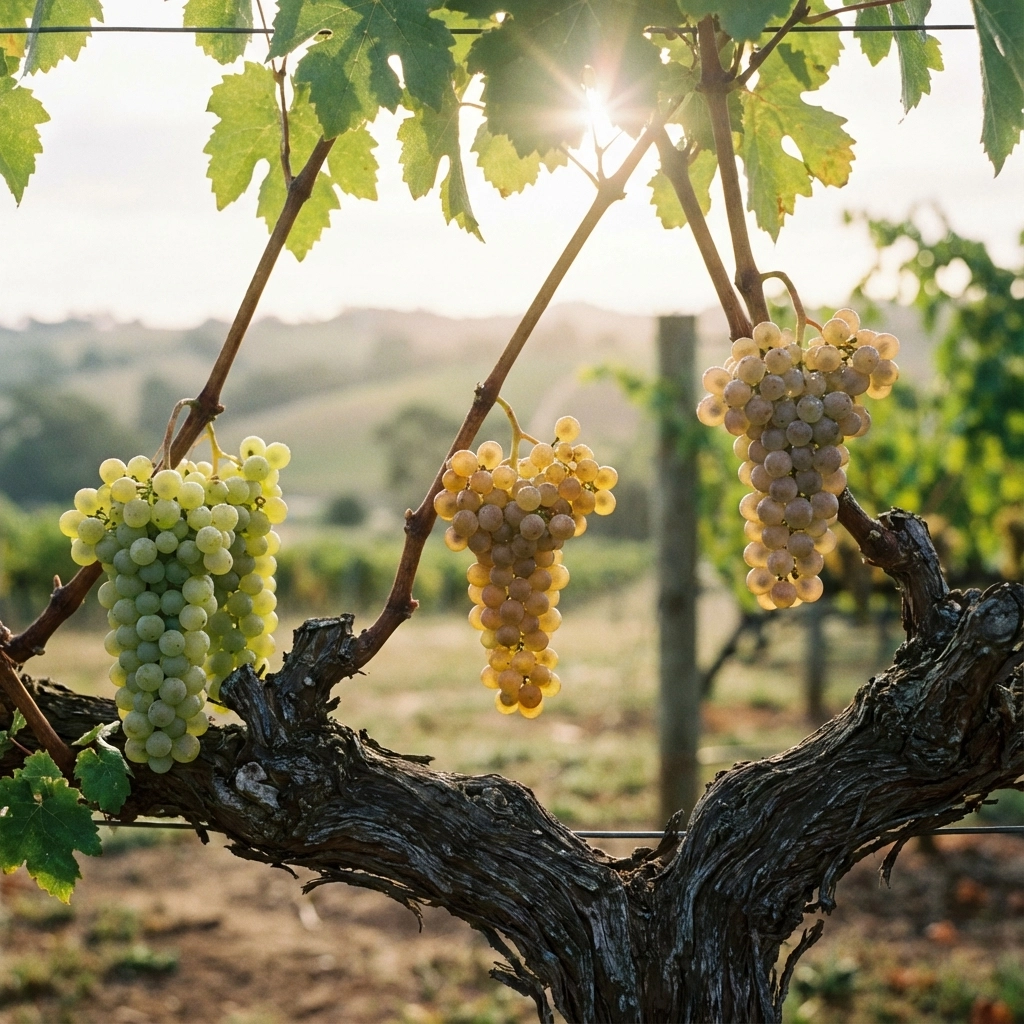
The Piccadilly Circus Blanc de Blancs comes from Ali and Mark Lewis, who've been crafting wines in the Piccadilly Valley since the early 2000s. What makes their approach fascinating is their use of three different Chardonnay clones: Mendoza, I10V1, and G9V7: each contributing unique characteristics to the final blend.
"These clones give us different flavour profiles and textures," Matt explains, "which is exactly what you want when building complexity in a Blanc de Blancs."
The Piccadilly Valley sits within the broader Adelaide Hills region, where cool temperatures and elevated vineyards create ideal conditions for retaining natural acidity whilst developing intense fruit flavours: a combination that's essential for quality sparkling wine.
The Winemaking Philosophy
This wine showcases traditional method production, with 24 months on lees: a process that develops the creamy, biscuity characteristics Matt identifies in his tasting. The fruit was hand-picked and whole bunch pressed, preserving delicate aromatics and ensuring minimal colour extraction.
"The use of old French oak adds subtle complexity without overwhelming the fruit," Matt notes. "It's about enhancement, not dominance."
What's particularly interesting is the low dosage approach: meaning minimal sugar addition after disgorgement. This technique lets the natural fruit character and terroir shine through, rather than masking it with sweetness.
Matt's Detailed Tasting Notes
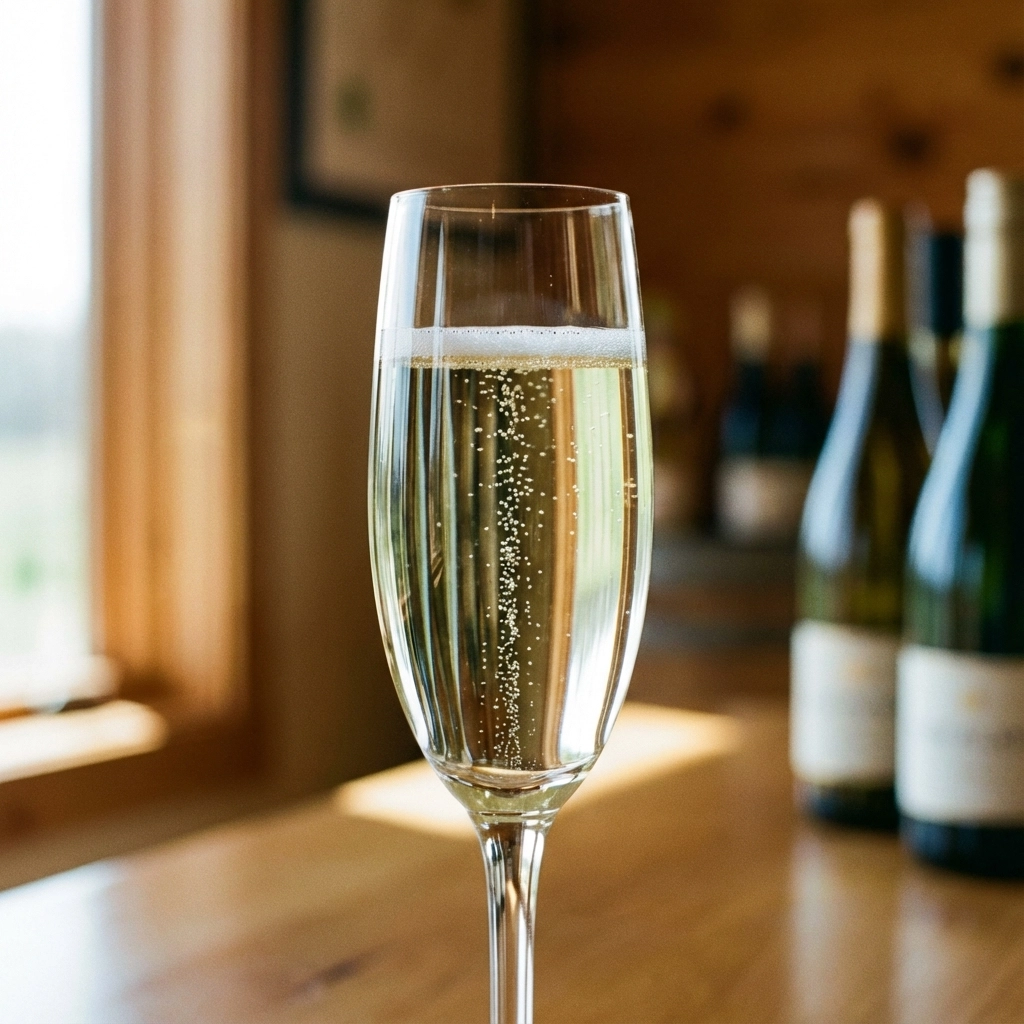
Appearance: "Beautiful pale straw colour with that distinctive green hue you get from cool-climate Chardonnay. The bead is fine and persistent: exactly what you want to see."
Aromatics: Matt immediately picks up citrus notes, describing "lovely bath salt minerality with a sherbet lift that gives it real freshness." The Granny Smith apple character comes through strongly, along with those telltale yeasty, biscuity notes from the extended lees aging.
Palate: "The mousse is beautifully fine and creamy," Matt observes. "Excellent acidity drives through the middle palate, with a long, satisfying finish that shows the low dosage approach."
The wine demonstrates what Matt calls "textural complexity": that creamy mouthfeel balanced against crisp, driving acidity that keeps you reaching for the next sip.
What This Teaches You About Tasting Sparkling Wine
Matt's tasting reveals several key principles for evaluating sparkling wine:
Glass Choice Matters: "For Blanc de Blancs, I prefer a smaller aperture glass," Matt explains. "It directs the wine to the middle of your tongue where you'll pick up that crucial acidity."
Assessing the Bead: Look for fine, persistent bubbles rather than aggressive foaming. "The smaller the bubbles, the better the integration and the more elegant the mouthfeel."
Understanding Dosage: Low dosage wines like this one showcase terroir and winemaking skill. "When there's nowhere to hide behind sweetness, every element needs to be perfect."
Recognising Length: "A quality sparkling wine should have a long finish that evolves in your mouth," Matt notes. "This one delivers exactly that."
The Adelaide Hills style focuses on fruit purity and natural acidity rather than heavy oak or excessive lees character: creating wines that are both elegant and distinctly Australian.
How Matt Applies This at Smidge
This attention to detail and terroir expression is exactly what Matt brings to Smidge's winemaking philosophy. Take our Houdini Adelaide Hills Sauvignon Blanc: another cool-climate Adelaide Hills white that showcases how elevated sites and careful winemaking preserve natural acidity and pure fruit expression.
"Whether it's sparkling or still wine, the principles remain the same," Matt explains. "Respect the fruit, understand your site, and let the wine express where it comes from."
Ready to Taste Like a Winemaker?
Matt's approach to tasting: focusing on structure, balance, and terroir expression: can transform how you experience wine. Want to develop these skills yourself?
Download our free guide: 7 Tips to Taste Like a Winemaker and learn Matt's professional tasting techniques.
Explore more insights: Watch additional Wineback Wednesday tastings where Matt breaks down different wine styles and regions.
Experience Adelaide Hills excellence: Try our Houdini Adelaide Hills Sauvignon Blanc to taste how Matt translates cool-climate terroir into exceptional still wine.
The beauty of Matt's Wineback Wednesday series lies in these educational moments: where professional tasting insights help you appreciate not just what's in your glass, but why it tastes the way it does. Whether you're exploring sparkling wine or building your tasting skills, understanding terroir and winemaking philosophy transforms every sip into a learning experience.